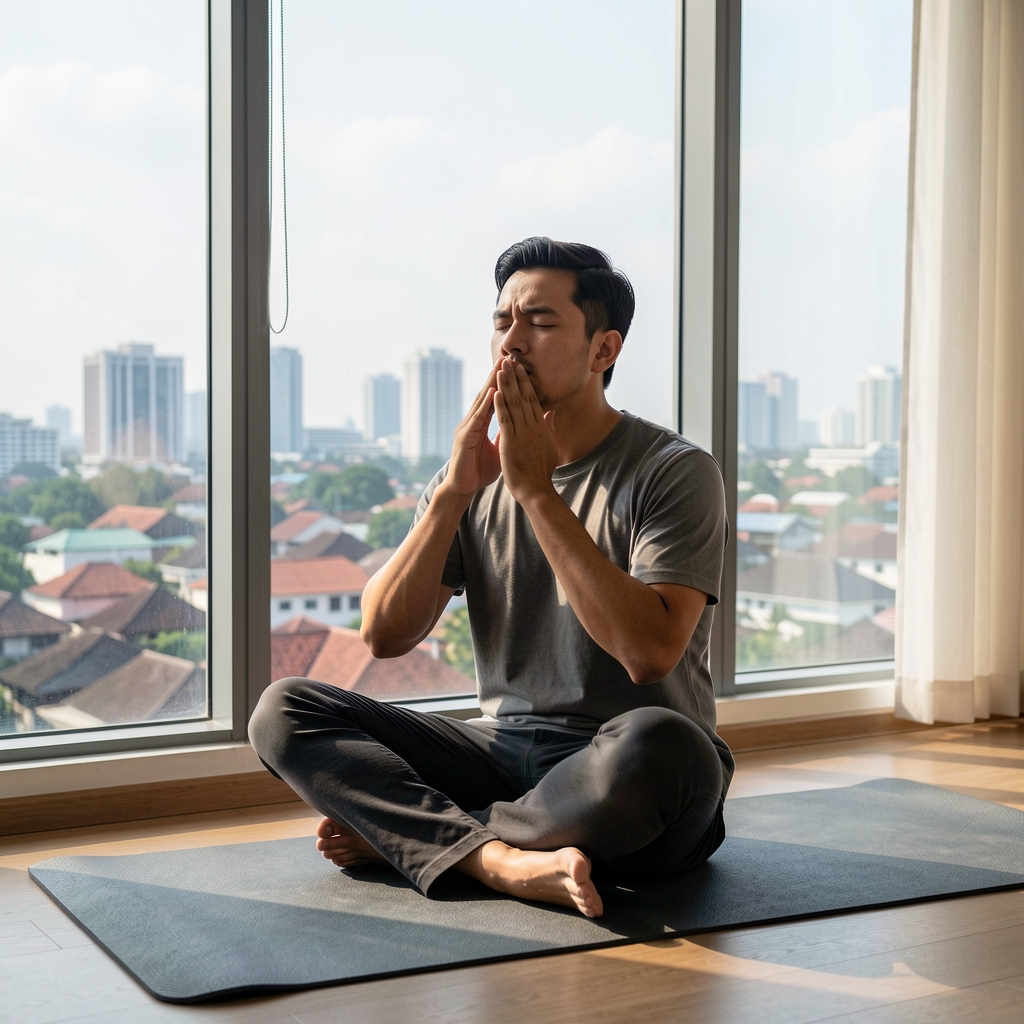
Resilience as a Skill, Not a Trait
Glimmer treats resilience as something closer to a trainable skill than a fixed personality trait. The research our contributors draw on most often examines how structured practices — paced breathing, scheduled recovery time, boundary-setting around work — measurably affect cortisol patterns and self-reported stress over weeks and months, rather than offering instant relief.
We are careful to distinguish between everyday stress management and clinical anxiety or depression, which require a different kind of support than an article can provide.
Four Recurring Themes
Chronic Stress and the Body
How sustained cortisol elevation is associated with changes in appetite, sleep and cardiovascular markers over time.
Work-Life Boundaries
Research-informed perspectives on structuring work hours and digital availability in a culture where long hours are often treated as a given.
Breathing and Nervous System Regulation
What controlled breathing studies suggest about short-term stress reduction, and where the evidence is more limited than popular claims suggest.
Recognizing When to Seek Support
Plain-language guidance on the difference between manageable daily stress and symptoms that warrant professional mental health support.
Related Coverage

What Disrupted Sleep Quietly Costs the Mind
Stress and poor sleep reinforce one another — this article explores the cognitive side of that relationship.
Continue Reading →
Stress and Hormonal Health
Explore how chronic stress interacts with cortisol and testosterone balance over time.
Explore the Pillar →
Browse the Full Archive
See every article Glimmer has published across all five editorial pillars.
View the Archive →If You Are in Crisis, Seek Immediate Help
This section does not provide mental health treatment or crisis support. If you are experiencing a mental health emergency, contact a local emergency service or a qualified mental health professional without delay. Read our full medical disclaimer.